Vegetables
Vegetables
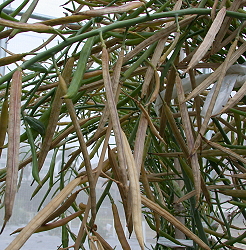
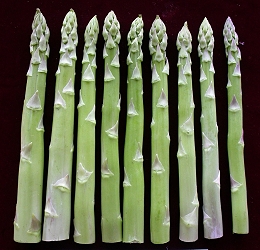
Our vegetable breeding program focuses on asparagus, cantaloupe, garlic, tomatoes, loose-leaf Chinese cabbage, cauliflower, kale, and cucumbers. Asparagus varieties Tainan Selection No.1, No.2, and No.3 are known for their vigorous growth, tight tips, and uniform stems. Tainan No.4, developed in 1993, is a single-cross variety with thick, tender stems, low fiber content, and excellent sweetness and flavor. Tainan No.5, a purple variety with heat tolerance and high yield, was released in 2023.
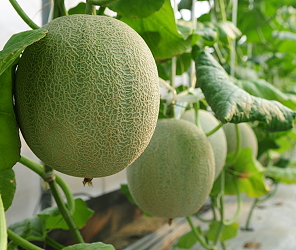
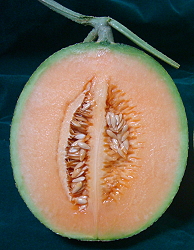
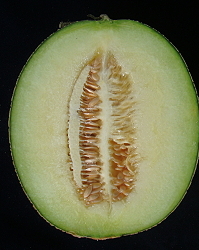
We've also developed cantaloupe varieties resistant to powdery mildew and with high sugar content, suitable for both hot (Tainan 11, 13, 14) and cool (Tainan 12, 16) climates. Tainan No.15 is an early-maturing, heat-tolerant muskmelon suitable for high-yield greenhouse cultivation in summer.
In 2014, we released zucchini Tainan No. 1-4, the first locally bred summer zucchini varieties in Taiwan, with excellent growth characteristics. Tainan No.1 and No.4 are resistant to powdery mildew and suitable for cool-season cultivation, while Tainan No.2 and No. 3 are heat-tolerant, extending the planting season by three months compared to commercial varieties.
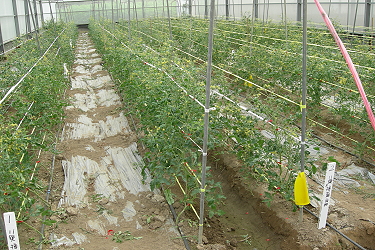
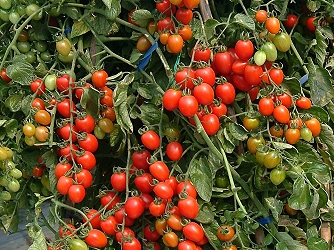
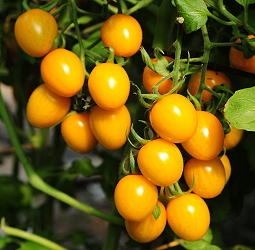
In collaboration with the World Vegetable Center, we've developed heat-tolerant red-flesh cherry tomatoes (Tainan ASVEG No. 6, 11) and tomatoes resistant to tomato yellow leaf curl virus (Tainan ASVEG No.19). Additionally, we've bred yellow-flesh cherry tomatoes (Tainan No.12, 24) and released Tainan No.25 in 2023, capable of low-temperature storage. Current breeding research focuses on multi-color tomatoes, resistance to tomato yellow leaf curl virus, root-knot nematode, and late blight.
Rootstock breeding aims to develop eggplant rootstocks resistant to bacterial wilt and compatible with grafted tomatoes. In 2023, we released Eggplant Tainan No.1, a rootstock with excellent resistance and compatibility.
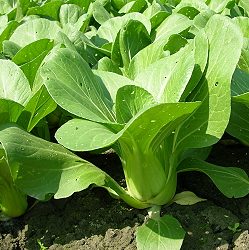
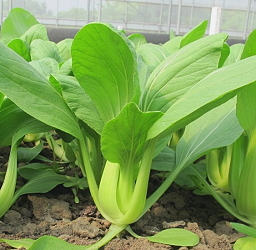
For leafy vegetable breeding, we've developed heat-tolerant Pak-Choi varieties, including short-stem (Tainan No.1, 2) and long-stem (Tainan No.3) types. Pak-Choi Tainan No.4 is heat-tolerant, high-yielding, adaptable, and features tender fibers and dark green leaves. Chinese kale Tainan No.1 was released in 2025 with heat and waterlogging tolerance. Broccoli breeding focuses on heat tolerance, compact florets, and post-harvest storage resistance.
Techniques were developed to overcome cabbage self-incompatibility by CO2 treatment and to improve vernalization. These techniques facilitate cabbage seed production in sub-tropical lowland areas, and have been applied to cauliflower and broccoli.
|
|
|
|
|
|
|
|
|
|
|
|
|

In the aspect of vegetable cultivation technology improvement, we have developed tunnel-type cantaloupe cultivation facilities and their secondary utilization techniques. We've also focused on tomato grafting technology to overcome problems related to continuous cropping and flooding stress. Additionally, we've established greenhouse fertigation for the production of fruit vegetables techniques to save fertilizer and water. We promote water-saving irrigation techniques for asparagus and bamboo shoots. Furthermore, we've developed intelligent management and disease-prone alert models for lettuce cultivation, assisting export production groups in planning production, reducing surplus risks, optimizing pest and disease control timing, and lowering operational costs while increasing industry profits.
|
|
|
|