Soil & Fertilizer
Soils & Fertilizers
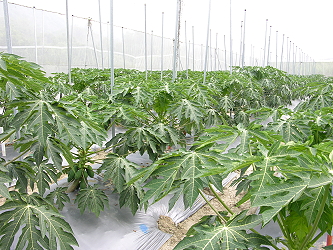
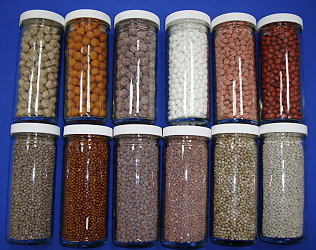
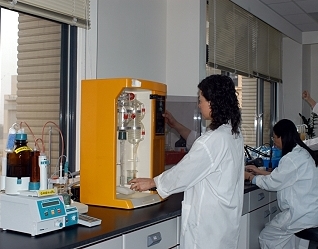
We offer soil fertility and plant nutrient analyses to recommend optimal fertilization. Our research focuses on improving soilless drip irrigation, developing novel controlled-release fertilizers, and using arbuscular mycorrhizal fungi to boost crop stress tolerance.
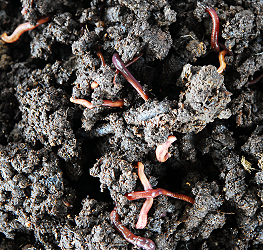
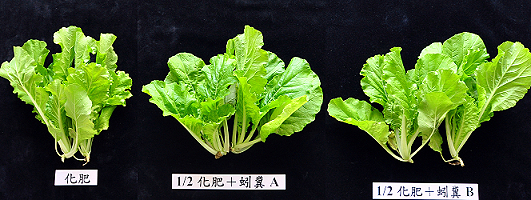
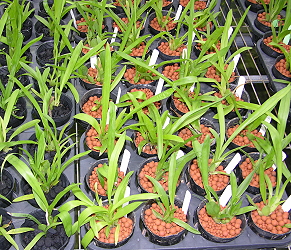
We actively recycle agricultural waste, transforming manure, spent mushroom substrate, bagasse, and rice husks into high-quality compost. We've also created a dual-layer, water-retentive granular medium for potted plants from clay and rice hulls. Our vermicomposting studies confirm that earthworm-processed organic wastes yield vermicast fertilizer meeting national standards.
We develop pollution-reduction technologies for agricultural operations in watershed areas and conduct soil restoration research on heavy-metal-contaminated farmlands, enhancing agricultural pollution control.
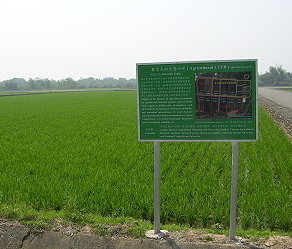
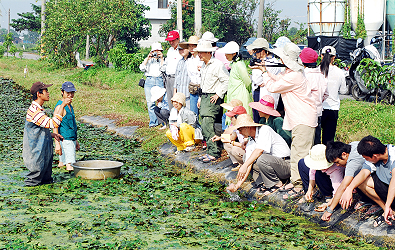
At our Dounan substation, long-term ecological research fields support agro-ecosystem studies and organic cultivation trials, establishing environmentally friendly farming techniques. Through the National Land Green Network project, we guide farmers in organic-friendly practices that boost biodiversity, successfully integrating crop production with wildlife conservation (e.g., egrets and Juluo tree frogs) for ecological harmony and sustainable land use.
Responding to the national 2050 net-zero emissions policy, we monitor domestic greenhouse gases and develop low-carbon cultivation systems for major crops like corn, sorghum, soybean, peanut, and rice. This involves optimizing fertilizer application, adopting low-tillage methods, and implementing intermittent irrigation and drainage. We then evaluate carbon reduction performance and build predictive models for crop carbon budgets.
|
|
|
|
|
|
|
|
|
|
|
|
|
|