Plant Protection
PLANT PROTECTION
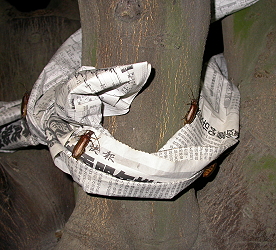
The Station conducts pest and disease surveys and management studies to provide diagnostic services for major economic crops in Tainan district. This includes forecasting mango Scirtothrips dorsalis and controlling Philus antennatus on pomelo. We collaborate with breeding programs for pest and disease resistance screening, exploring biological control with natural enemies, entomopathogenic fungi, and other non-chemical tactics. We've also identified effective Metarhizium anisopliae strains against litchi stink bugs, and tested safe plant-protection materials like neutralized phosphorous acid and citrus essential oils, to reduce powdery and downy mildews, thereby cutting pesticide use.
Our work extends to nematode detection and non-chemical control, managing rice sheath blight and sheath rot, and forecasting rice blast to safeguard grain production. We also monitor underground pests in peanuts for early intervention. By transferring key cultivation technologies, we've established health-management production models for Matou wemdan, mango, muskmelon, cherry tomato, and peanut, guiding local growers in Integrated Pest Management (IPM) and safe pesticide application.
We maintain a greenhouse demonstration for virus-free cherry tomato export production and promote certification for virus-indexed green bamboo and citrus nursery stock. Embracing smart agriculture, we develop UAV-based crop protection techniques and support UAV pesticide application registration. We've also created an intelligent insect-recognition system for early warning and improved control. We conduct proactive, regular monitoring of major pests and diseases, issuing alerts and performing field quarantine inspections. Our crop pest diagnosis and consultation station assists farmers in identifying issues and applying pesticides correctly.
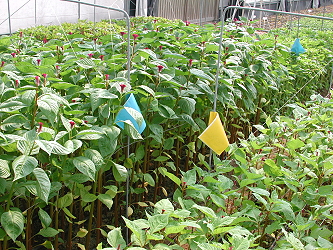 Color stick-board and sex pheromone are used to reduce pest damage |
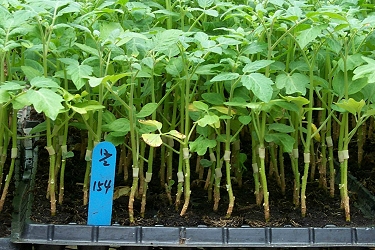 Grafting tomato scion on eggplant root stock can control bacterial and Fusarium wilts |
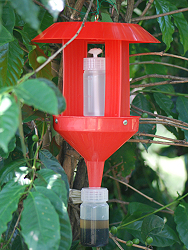 A trapping device to control coffee berry borer |
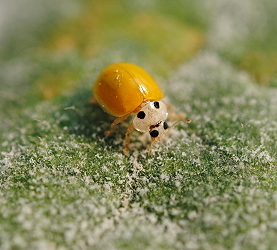 Illeis koebelei feeding on powdery mildew spores and mycelia |
 Sweet potato weevil infected by entomogenous fungi |
|
|
|
|
|